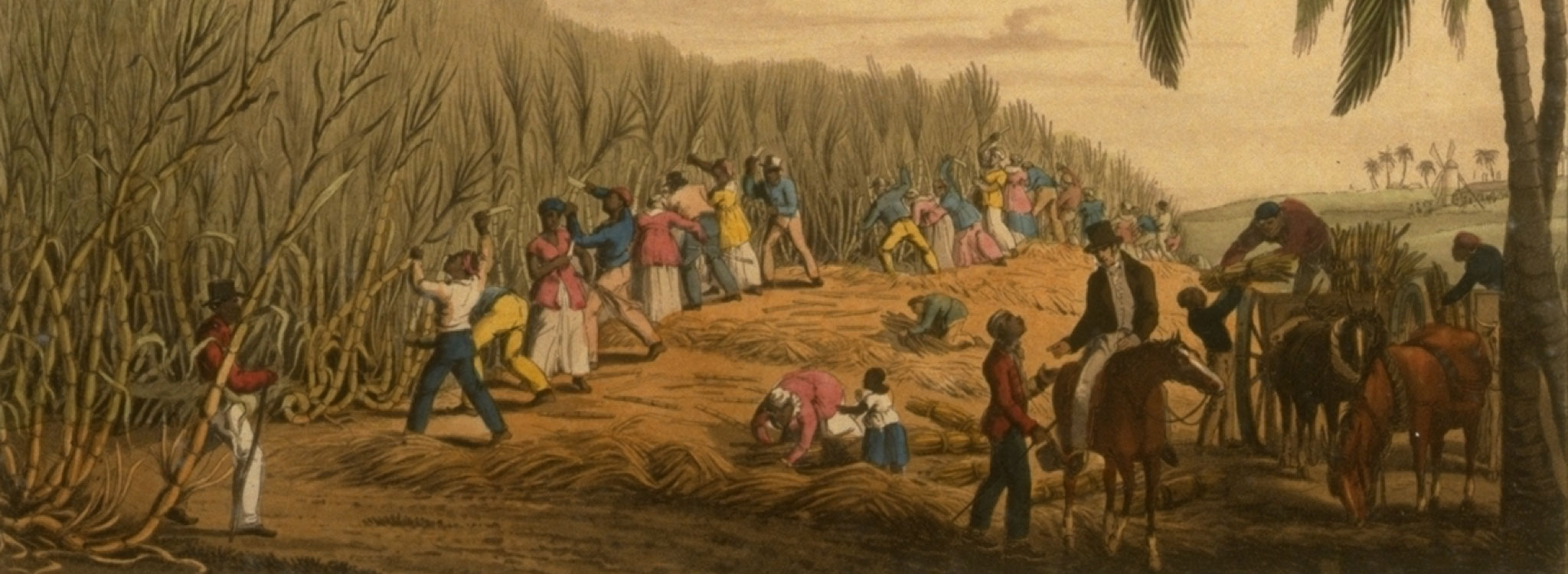
Since 2018, Enslaved: Peoples of the Historical Slave Trade (Enslaved.org) has been serving the needs of scholars, genealogists, students, and members of the public interested in the people of the historical slave trade. Enslaved.org is a discovery hub that helps users to search and find information from a large and growing number of datasets and digital projects. Researchers can learn from linking data, visualizing larger relations and movements, and connecting the traces of people from one dataset to the next. More importantly, users can discover and explore the original sources of the information. You can learn more about and begin your
search here.
Enslaved.org also provides richly detailed
stories of the lives of those enslaved. It is our hope that the stories will provide a context for the importance of recovering the lives of those enslaved. Through the discovery hub we hope to find more links to and between these stories, and over time that our users and contributors can tell new stories.
We are also in the nascent phase of developing educational materials for Enslaved.org (see
For Educators). If you use Enslaved.org materials in the classroom, please
let us know about your work.
Enslaved.org endeavors to present information about enslavement in socially just and ethical ways, with respect for enslaved persons at the center of all the work (see
Statement of Ethics for more).
To find out more about how to contribute to the project and to learn more about how we review and vet information, see the
Journal for Slavery and Data Preservation.
In addition, Enslaved.org provides behind the scenes information that could be of interest to users, archivists, librarians, digital humanists, and project developers.
Finally, if you have a question, the best place to start may be the
Frequently Asked Questions. If you can’t find an answer there, contact us at
Enslaved.org@gmail.com.